Caravan & Motorhome Storm Damage Repairs
Severe storms can damage several parts of a caravan or motorhome during the same event. Strong winds, falling branches, flying debris and heavy rain may affect the roof, sidewalls, windows, awnings, exterior fittings and internal structure.
RnR Refinish provides specialist storm damage repairs for caravans, motorhomes, RVs and campervans from our purpose-built repair centre in Clontarf, Brisbane.
Most significant storm damage is repaired through insurance. Our team can assess the vehicle, document the affected areas, prepare a detailed repair quotation and communicate with the insurer or appointed assessor throughout the approval process.
Repairs may involve fibreglass reconstruction, aluminium cladding replacement, composite panel work, roof repairs, damaged awnings and fittings, water-damaged walls or floors, spray painting, resealing and final water testing.
Storm Damage Can Affect More Than the Exterior
Storm damage is rarely limited to one dent or cracked panel.
High winds can tear awnings from their mounts, damage windows or move roof-mounted equipment. Falling branches and airborne debris may crack fibreglass, dent aluminium cladding, damage composite panels or puncture the roof.
Heavy rain can then enter through the damaged area and spread into the vehicle.
Areas commonly affected during a storm include:
- roofing and roof joins
- aluminium cladding
- fibreglass body sections
- composite sidewalls
- windows, doors and seals
- skylights and vents
- awnings and mounting brackets
- air-conditioning covers
- solar panels and wiring
- exterior lights and fittings
- internal walls, cabinetry and floors
Some damage is immediately visible. Other problems, particularly moisture inside walls or flooring, may not become obvious until later.
RnR Refinish assesses the initial storm impact and the surrounding areas that may have been affected. This gives the insurer a clearer repair scope and reduces the risk of focusing only on the most visible damage.
Free Pickup & Delivery for all insurance and fleet works
Performance Indicators
Industry-leading expertise, operational
and workplace metrics
Great repairs are built on more than experience, they’re backed by consistent results. We continually monitor our repair performance to improve customer communication, reduce repair times and deliver a better overall experience.


Storm Damage Repairs for Caravans
Caravans can suffer several types of damage during severe storms, particularly when strong winds carry branches, roofing materials, outdoor furniture and other debris into the body or roof.
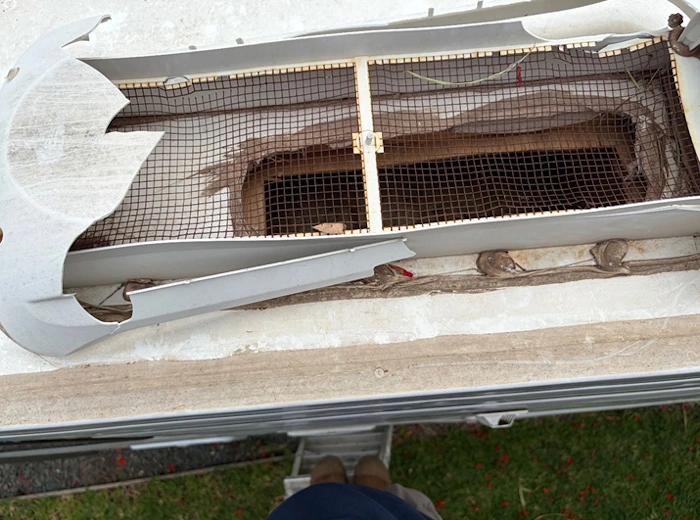
An impact may dent or tear aluminium cladding, crack fibreglass mouldings, damage composite panels or move the framing behind the outer surface. Awnings, windows, vents, skylights and exterior fittings can also be torn away or forced out of alignment, placing additional strain on their mounting points and surrounding panels.
What first appears to be damage to one exterior component may also involve cracked fibreglass, distorted brackets, opened body joins, broken seals, damaged framing or affected wiring. Surrounding sections may need to be removed before the full extent of the damage can be confirmed.
Heavy rain can then enter through a damaged roof panel, window, skylight, vent, seal or body join. Once inside, moisture may spread through wall and ceiling panels, framing, insulation, cabinetry, electrical fittings, composite flooring and underbody materials.
Early signs of internal storm damage can include staining, swelling, soft flooring, damp cabinetry or an unusual smell. RnR Refinish can inspect likely entry points, complete moisture and leak checks where required and assess the materials affected behind the visible surface.
Depending on the insurer-approved scope, repairs may involve fibreglass reconstruction, cladding or composite panel replacement, frame repairs, new seals, wall or floor rebuilding, cabinetry repairs, refinishing and final water testing.
Repairing only the visible interior damage without correcting the original entry point can allow the problem to return. For this reason, both the exterior damage and any resulting moisture damage should be considered within the same repair schedule.
Storm Damage Repairs for Caravans
Motorhomes and larger RVs have a different storm-damage risk because they combine a driveable vehicle with a large fitted living body and extensive roof-mounted equipment.
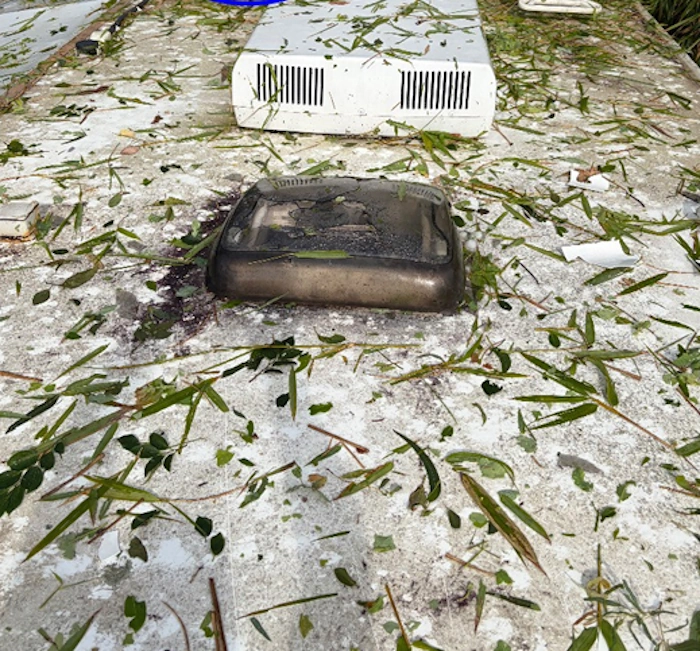
Strong winds and flying debris can damage the roof, Luton peak, fibreglass front and rear sections, composite sidewalls, windows and external storage compartments. Tree branches and loose objects may also strike air conditioners, solar panels, antennas, vents, skylights and awnings positioned high above the cab.
A damaged roof-mounted component can affect more than the item itself. An awning may pull away from the sidewall and distort its mounting area. A solar-panel bracket may damage the roof skin or wiring. A branch striking the Luton peak can crack the fibreglass, move the supporting structure and open seals around the upper body.
Motorhomes may also be damaged while being driven during a storm. Wind-blown debris can strike the cab or body, while fallen branches and poor visibility can contribute to sidewall, roof or front-end impacts. Where the event affects the cab, chassis area, lights or underbody, body and selected mechanical inspections may also be required.
Rain entering through damaged roof equipment, windows, slide-out seals or body joins can spread into the ceiling, upper cabinetry, wall panels, insulation and flooring. Slide-outs and the joins around them are particularly important to inspect because damaged seals or misalignment may allow further water entry after the storm.
RnR Refinish can assess the roof, body, mounted equipment, seals and internal areas connected to the incident. Depending on the approved repair scope, the work may include fibreglass or composite repairs, roof reconstruction, replacement of damaged equipment, electrical work, slide-out adjustments, internal repairs, refinishing, resealing and water testing.
The final inspection is matched to the damage and may include checks of roof-mounted equipment, electrical components, windows, awnings, slide-outs, sealing and other systems affected by the storm.
Insurance Claims for Storm Damage
Storm repairs are commonly completed through comprehensive insurance because the damage can affect several parts of the caravan or motorhome.
RnR Refinish manages the repair side of the claim.
We inspect and photograph the vehicle, identify the affected materials and prepare a detailed repair quotation for the insurer or appointed assessor. Where required, an assessor can inspect the vehicle at our Clontarf facility.
Your insurer remains responsible for confirming policy coverage, approving the repair and advising you about any excess.
Once authority is received, our team confirms the parts, materials and trades required before the vehicle moves through the repair process.
If hidden storm-related damage is discovered after dismantling, it is documented and referred to the insurer before additional work outside the approved scope proceeds.
How the Storm Damage Repair Process Works

Lodge the Insurance Claim
Contact your insurer, report the storm damage and request a claim number.
Provide the date of the storm, vehicle details, current location and any photographs showing the damage. Ask whether your policy allows you to nominate RnR Refinish as your preferred repairer.
Avoid moving the vehicle if damaged roofing, windows, lights, awnings or body components could make it unsafe to drive or tow.

Arrange a Storm Damage Assessment
Contact RnR Refinish to arrange an assessment at our Clontarf repair centre.
We inspect the roof, panels, seals, windows, fittings and surrounding structure. Where water entry is suspected, moisture readings or leak detection may also form part of the assessment.
Our estimator then prepares the repair quotation and supporting photographs for the insurer.
Insurer Review and Approved Repairs
The insurer may approve the quotation, appoint an assessor or request further information.
Once authority is issued, we confirm the repair scope and arrange the required parts and materials.
Repairs may include dismantling, structural or frame work, fibreglass reconstruction, composite or cladding repairs, roof work, replacement fittings, interior repairs, paint refinishing and resealing.
Repairs, Quality Control and Handover
After the authorised work has been completed, the vehicle is checked against the insurer-approved repair scope.
Depending on the damage, final checks may include water testing, panel fit, paint finish, lighting, electrical components, roof-mounted equipment, windows, doors and awning operation.
Once the repair has passed these checks, collection or eligible return delivery can be arranged.
Free pick up and delivery for all insurance work










Our Specialities
Fibreglass, Composite and Cladding Repairs
The correct storm repair method depends on how the vehicle was built.
Fibreglass may crack, split or puncture when struck by branches or debris. The damaged section can be prepared, reconstructed and refinished to suit the surrounding bodywork.
Composite panels contain several bonded layers. Damage to the outer surface may also affect the internal core or adhesive bond, particularly where moisture has entered. The panel may require a local repair, sectional rebuild or complete replacement.
Aluminium cladding can dent, crease or tear. The sheets and surrounding fittings may need to be removed so the frame, seals and joins behind them can be inspected.
Damaged Awnings, Windows and Roof Equipment
Awnings, windows and roof-mounted equipment are often among the first components damaged during strong winds.
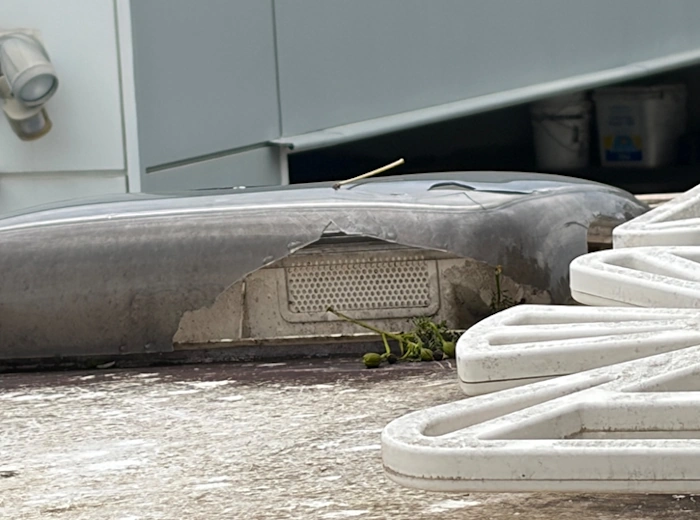
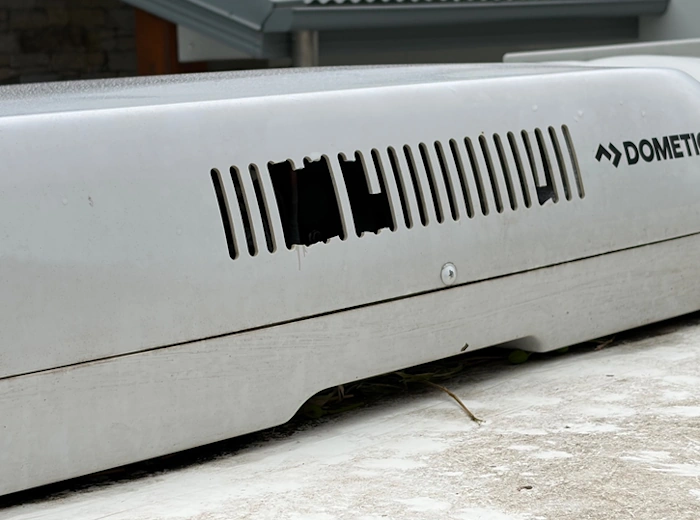
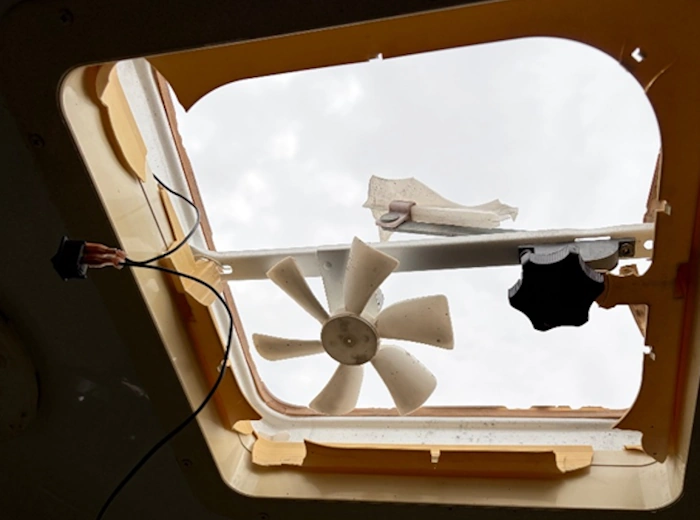
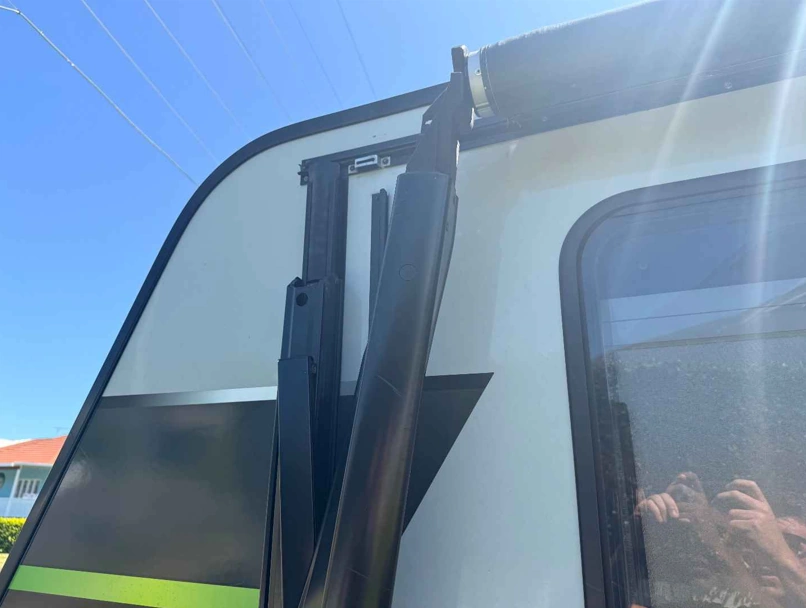
An awning may tear, bend or pull away from its mounting points. Windows can crack or become misaligned. Air-conditioning covers, vents, skylights, solar panels and antennas may also be damaged or detached.
These components cannot always be assessed separately from the body.
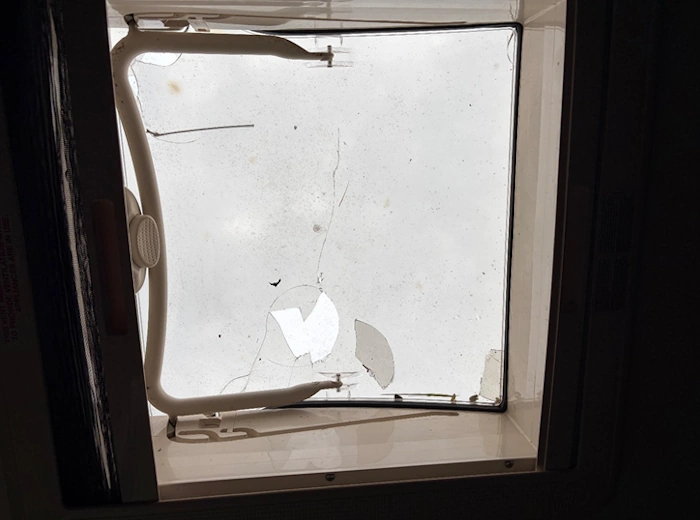
For example, an awning mount pulled away from a motorhome may also damage the sidewall or internal reinforcement. A broken skylight may affect the roof seal and allow rain into the ceiling. A damaged solar panel mount may expose wiring or create a new leak point.
RnR Refinish assesses the fitting and the surrounding structure before the replacement or repair is included in the quotation.
When Replacement Parts Are No Longer Available
Replacement components can be difficult to source for older or imported RV’s and caravans.
Fibreglass mouldings are often produced for a limited model run. Once production stops and remaining stock is sold, a replacement bumper, tail-light panel, body moulding or storage door may no longer be available locally or overseas.
This does not always mean the caravan, motorhome or campervan can’t be repaired.
RnR Refinish can repair, fabricate or remould selected one-off fibreglass components. Where an undamaged matching part remains on the opposite side of the caravan, its shape and measurements may help our technicians recreate the missing section.
Individual components can also be sent to our workshop for assessment, repair and refinishing where transporting the complete caravan is unnecessary.
This capability can provide another option when the insurer or parts supplier cannot source a standard replacement.
Owners and Insurers Trust RnR Refinish
RnR Refinish has more than 15 years of experience working with caravan and motorhome insurance claims.
Our purpose-built Clontarf facility can accommodate caravans, campervans and large motorhomes requiring body repairs, roof work, fibreglass reconstruction, cladding replacement, internal water-damage repairs, spray painting and reassembly.
A major storm repair may require several trades, including estimators, fibreglass technicians, panel repairers, spray painters, cabinet makers, auto electricians and other repair specialists.
Bringing these capabilities together gives our team a clearer view of how the exterior damage, water entry and internal repairs connect.
Customers receive updates as larger repairs move through key stages, particularly where insurer decisions, parts or supplementary damage affect the expected repair schedule.
