Caravan & Motorhome Hail Damage Repairs
Hail can damage much more than the visible panels of a caravan or motorhome. Dents, cracks and broken roof fittings may be obvious, but the same storm can also affect seals, vents, skylights, solar equipment and areas where water can later enter the vehicle.
RnR Refinish provides specialist hail damage repairs for caravans, motorhomes, RVs and, to a lesser extent, campervans from our purpose-built repair centre in Clontarf, Brisbane.
Most hail damage repairs are completed through insurance. Our team can assess the vehicle, document the affected areas, prepare a detailed repair quotation and communicate with the insurer or appointed assessor throughout the approval process.
Depending on the construction and severity of the damage, repairs may involve aluminium cladding replacement, fibreglass and gelcoat work, composite panel repairs, roof repairs, replacement fittings, spray painting, resealing and water testing.
Hail Damage Can Extend Beyond the Visible Dents
Caravans and motorhomes are built from a combination of materials, and each can react differently during a hailstorm.
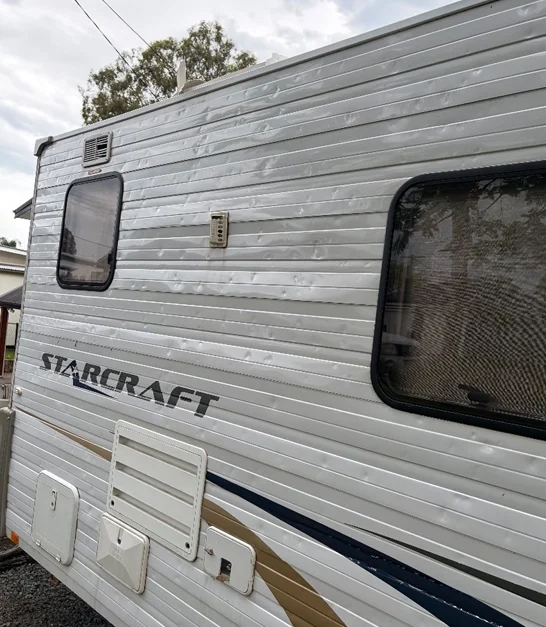
Aluminium cladding may be left with widespread dents. Fibreglass sections can crack, chip or develop surface damage. Roof sheets, composite panels and gelcoat finishes may also be affected.
The storm can damage or loosen:
- roof vents and skylights
- air-conditioning covers
- solar panels and mounts
- windows and exterior seals
- awnings and brackets
- exterior lights
- roof joins and body mouldings
- antennas and other mounted equipment
A damaged fitting or opened seal can allow water into the roof, walls or floor after the storm has passed. For this reason, a hail damage assessment should consider both the visible impact marks and any likely entry points for moisture.
RnR Refinish inspects the affected body panels, roof-mounted equipment, seals and adjoining sections before preparing the repair estimate.
Free Pickup & Delivery for all insurance and fleet works
Performance Indicators
Industry-leading expertise, operational
and workplace metrics
Great repairs are built on more than experience, they’re backed by consistent results. We continually monitor our repair performance to improve customer communication, reduce repair times and deliver a better overall experience.


Hail Damage Repairs for Caravans
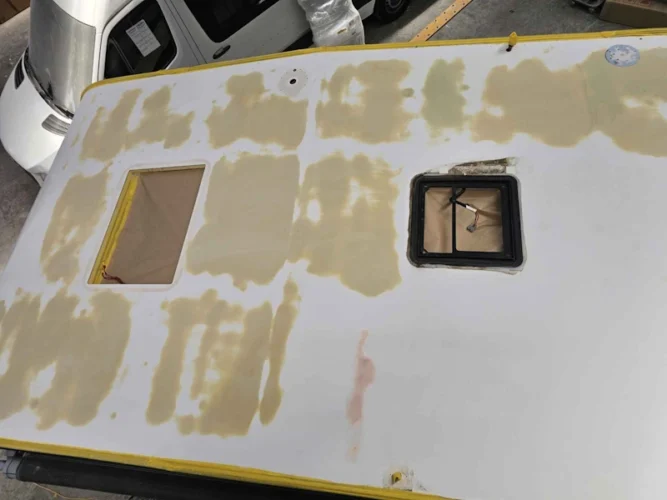
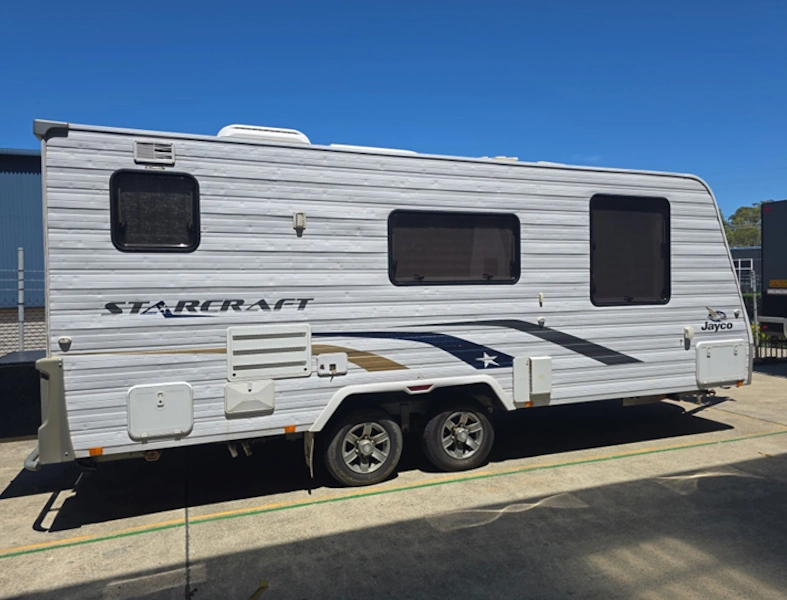
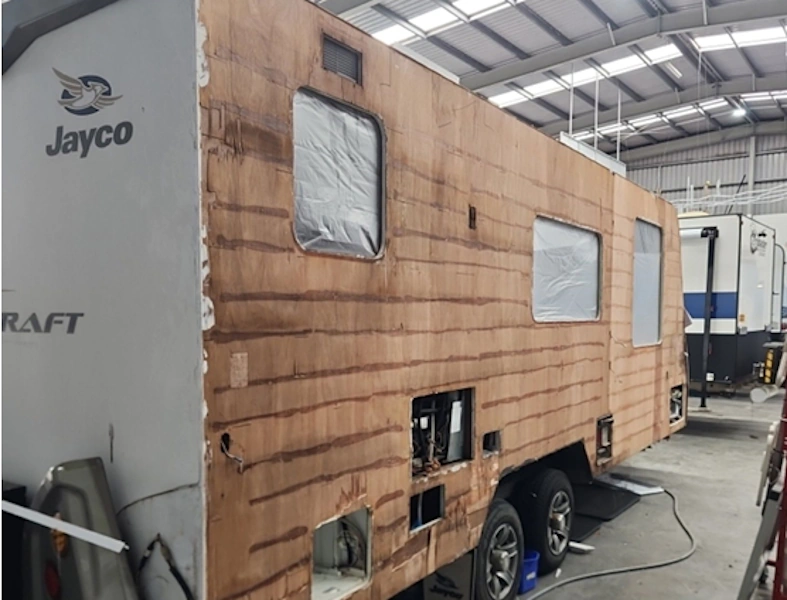
Where replacement is required, the work may involve removing windows, trims, lights, vents and other fittings before the damaged cladding can be taken off. The underlying frame and seals can then be inspected before replacement sheets are fitted, prepared and refinished.
Graphics, decals, trims and hardware may also need to be removed and reinstated as part of the repair.
Caravans with fibreglass or composite bodies require a different approach. The surface may crack, chip or lose its finish rather than showing traditional metal dents. The repair method depends on the material, the depth of the damage and whether the structure beneath the outer surface has been affected.
Our team selects the repair process around the caravan’s construction rather than applying the same method to every vehicle.
Hail Damage Repairs for Motorhomes and RVs
Roof-mounted equipment is often particularly exposed. Air conditioners, vents, skylights, solar panels, antennas and awning components may all need inspection after a severe storm.
Because a motorhome combines a living area with a driveable vehicle, the assessment may also need to consider the cab, roof transitions, Luton peak, upper body mouldings and electrical equipment connected to the damaged components.
Fibreglass and composite body sections may require localised rebuilding and refinishing. Damaged seals and roof penetrations may need to be removed, repaired and resealed before the vehicle is water tested.
Campervans can experience similar issues, although the affected area is often smaller. Roof fittings, pop-top sections, fibreglass panels and window seals are common areas that may require attention.
Insurance Claims for Hail Damage
RnR Refinish can manage the repair side of the claim, including the assessment, quotation and communication with the insurer or assessor.
Your insurer remains responsible for confirming policy coverage, approving the repair and advising you about any excess. Our role is to document the damage clearly, explain the proposed repair method and complete the authorised work.
If you have not yet lodged a claim, contact your insurer and request a claim number before arranging the assessment where possible.
How the Hail Damage Repair Process Works

Lodge the Insurance Claim
Contact your insurer and report the storm damage. Provide the date of the event, vehicle details, photographs and the current location of the caravan or motorhome.
Ask whether your policy allows you to nominate RnR Refinish as your preferred repairer.

Arrange the Damage Assessment
Contact our team to book an assessment at our Clontarf facility.
We inspect the panels, roof, seals, fittings and equipment affected by the storm. Where appropriate, the assessment may also include moisture checks or leak detection.
Quotation and Insurer Approval
RnR Refinish prepares a detailed repair quotation with supporting photographs and repair information.
The insurer may approve the quotation, appoint an assessor or request further details before authority is issued.
Repairs, Testing and Handover
Once approved, the work may include cladding replacement, fibreglass repairs, panel refinishing, replacement roof fittings, resealing, decal reinstatement and water testing.
The completed repair is checked against the authorised scope before collection or eligible delivery is arranged.
Free Pickup & Delivery for all insurance and fleet works











Our Specialities
Aluminium Cladding, Fibreglass and Composite Repairs
Aluminium cladding is more likely to show visible dents across a broad area. Where the damage is severe, full sheets may need replacement rather than local repair.
Fibreglass may develop chips, cracks or impact marks. The damaged area can be prepared, rebuilt and refinished to suit the surrounding body.
Composite panels contain an outer skin, internal core and adhesive layers. Surface damage must be assessed carefully because the internal bond may also be affected.
The repair estimate should reflect the actual construction of the vehicle and the extent of the damage, rather than relying on a generic hail repair method.
Water Entry After a Hailstorm
A cracked vent cover, loosened seal or damaged roof fitting may allow water into the vehicle during later rain. Moisture can then spread through insulation, framing, wall panels, cabinetry and flooring.
Signs of water entry may include stains, soft flooring, swelling, damp smells or moisture around windows and roof fittings.
RnR Refinish can inspect likely entry points and determine whether water-related repairs should be included in the insurance assessment.
Where damage has reached the floor or internal structure, further dismantling may be required to determine the full extent.
When Replacement Parts Are No Longer Available
Fibreglass mouldings are often produced for a limited model run. Once production stops and remaining stock is sold, a replacement bumper, tail-light panel, body moulding or storage door may no longer be available locally or overseas.
This does not always mean the caravan cannot be repaired.
RnR Refinish can repair, fabricate or remould selected one-off fibreglass components. Where an undamaged matching part remains on the opposite side of the caravan, its shape and measurements may help our technicians recreate the missing section.
Individual components can also be sent to our workshop for assessment, repair and refinishing where transporting the complete caravan is unnecessary.
This capability can provide another option when the insurer or parts supplier cannot source a standard replacement.
Owners and Insurers Trust RnR Refinish
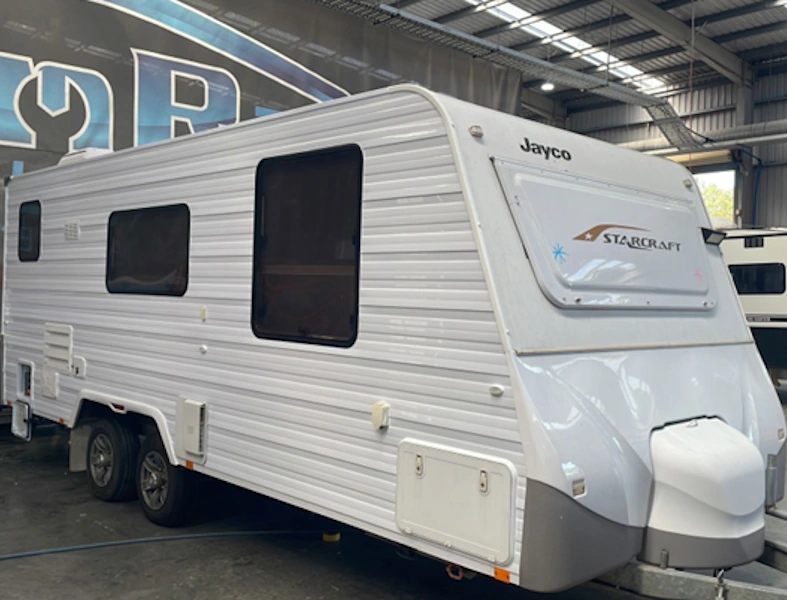
Our Clontarf repair centre can accommodate large caravans, motorhomes and RVs requiring extensive panel removal, fibreglass work, cladding replacement, roof repairs, spray painting and reassembly.
Several trades may be required during a major hail repair. Body technicians, fibreglass specialists, spray painters, electricians and other repair professionals can work within one coordinated process.
This is particularly important where storm damage affects both the exterior body and mounted equipment such as air conditioners, vents, solar panels or lights.
Customers also receive updates during larger repairs, particularly where insurer approval, parts or supplementary damage affect the expected completion date.
